
The RUT Deduction on a Swedish Moving Invoice, Explained
The RUT deduction is a Swedish tax reduction for certain household services, and moving is one of them. It is applied directly on the invoice: the company deducts RUT, you pay the remainder, and once the work is done and paid for, the company asks Skatteverket, the Swedish Tax Agency, to pay it the difference. Which moves qualify, between homes or to and from storage within the EU/EEA or Switzerland, is covered in our guide to moving to Sweden. This article explains how the deduction appears on the invoice itself.
RUT only applies to labour. Skatteverket therefore wants the invoice to keep the cost of working time, material costs and other costs apart. For a move, eligible work includes packing and unpacking, loading and unloading, the driver and other staff transporting your belongings, dismantling and assembling furniture that cannot be moved whole, and hanging pictures and curtains in direct connection with the move. The moving vehicle, fuel, moving boxes, storage rent, travel between the company’s premises and your home, transport by air or sea, and taking rubbish to a recycling centre do not qualify.
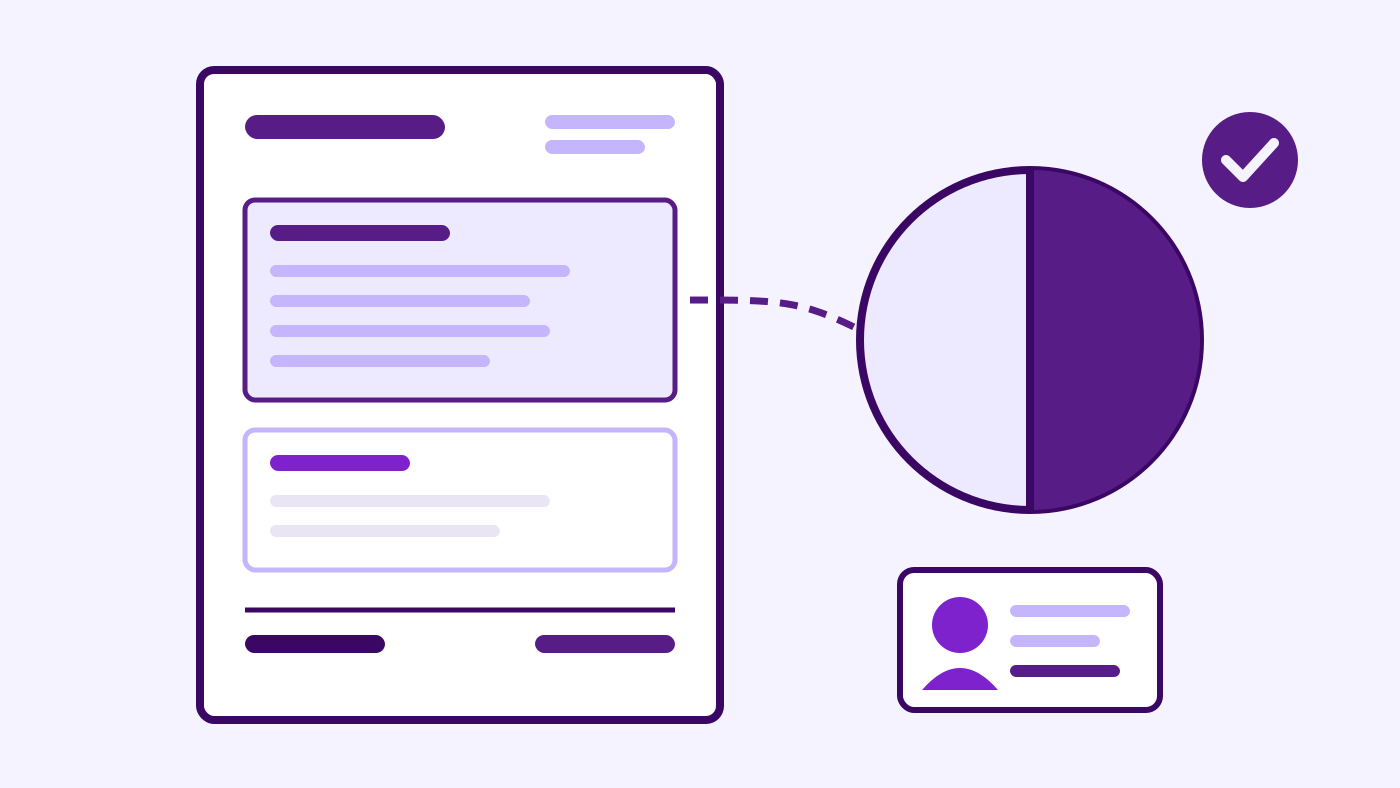
According to Skatteverket, the deduction is 50 percent of eligible labour. The invoice should show the total amount and the RUT deduction, including VAT. It should also state the type of service, that the company holds F-tax approval, and your name and personal identity number.
Your RUT allowance is personal, with an annual cap per person set by Skatteverket. If several people in the household share the deduction, the combined amount can never exceed 50 percent of the labour cost. You must check your own remaining allowance, for example in Skatteverket’s Mina skattereduktioner e-service or in its app. To be entitled to the deduction, you must have been fully liable to tax in Sweden during the year and have turned 18 by the end of it.
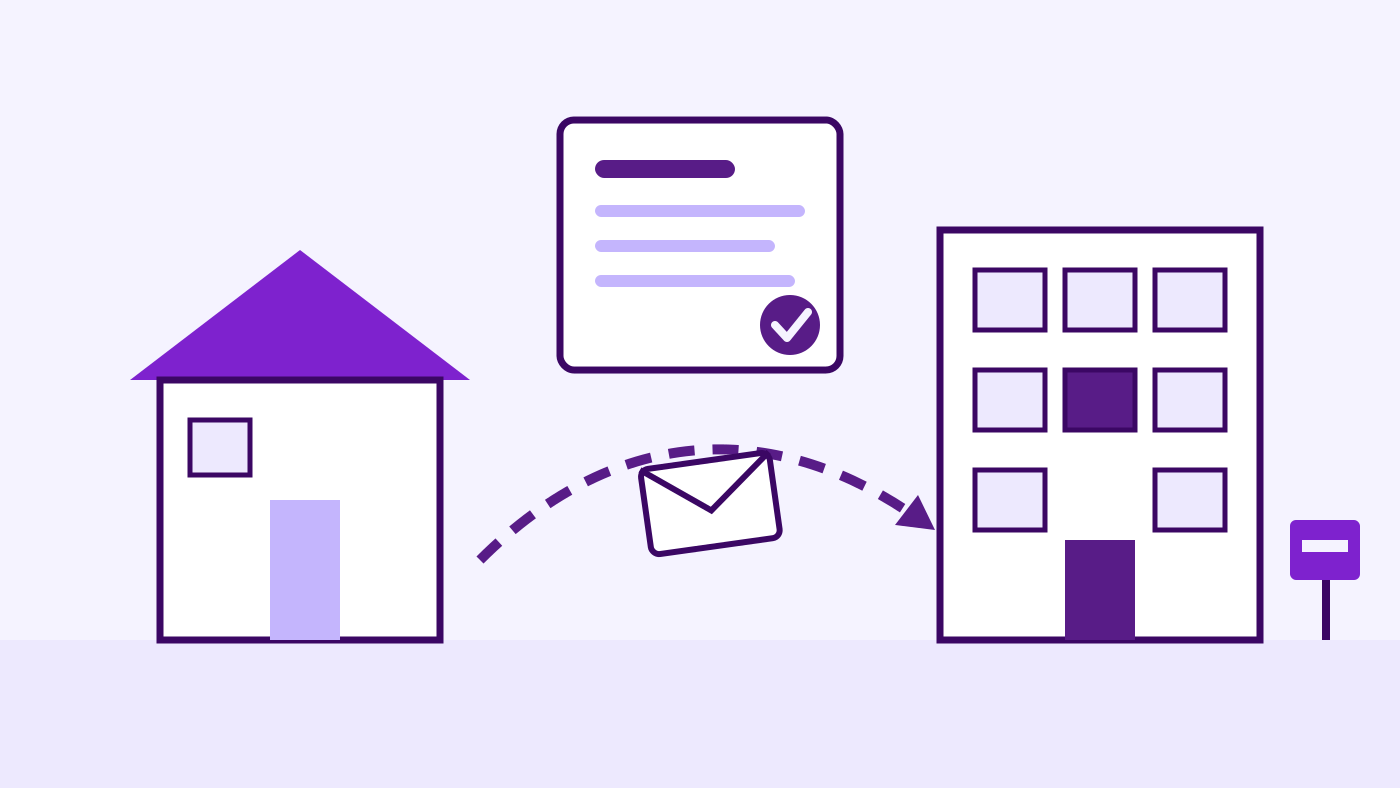
The company is responsible for requesting the payout. The work must be completed and paid for first, and the request must reach Skatteverket by 31 January of the year after you paid. The company must hold F-tax approval, and payment must be made electronically. Cash, cheques and gift cards do not qualify for RUT.
You should check what Skatteverket sends you once the payout has been requested: that it names the company you hired, that the payment date is right, and that the amount matches the deduction on the invoice, including VAT. Also check that your personal identity number on the invoice is correct. If you paid the whole invoice including the deduction by mistake, the company must refund you before it requests the payout.
The payout can be lower than the company requested. Skatteverket gives the example of travel the company does not charge for, which it treats as part of the labour cost, so the payout may be smaller than requested. If your final tax is not enough to cover the preliminary tax reduction, Skatteverket says you repay the part you received in excess. What applies between you and the company if Skatteverket refuses or reduces the payout is set out in your agreement, so read the terms before you book.
When you ask Movon for a price or a quote, describe both addresses and the access, such as floor, elevator and carrying route, and the services you want. Also say whether the RUT deduction will be shared between several people, so the split can be checked against the invoice.
Sources for factual information
- Swedish Tax Agency: How the RUT deduction works (in Swedish)
- Swedish Tax Agency: How the RUT deduction works for businesses (in Swedish)
- Swedish Tax Agency: Work eligible for RUT deductions (in Swedish)
- Swedish Tax Agency: ROT and RUT
- Swedish Tax Agency: Common questions on ROT and RUT work (in Swedish)