
Your First Move in a Swedish Apartment Building: House Rules for Moving Day
Moving into a Swedish apartment building means sharing a stairwell, an elevator and several common rooms with your neighbours from the first box onwards. House rules, ordningsregler, are set by the landlord or, in a tenant owned building, by the housing association board, and they are often posted in the entrance or attached to the contract. Ask for them well before moving day, because some of them decide how the day can be planned.
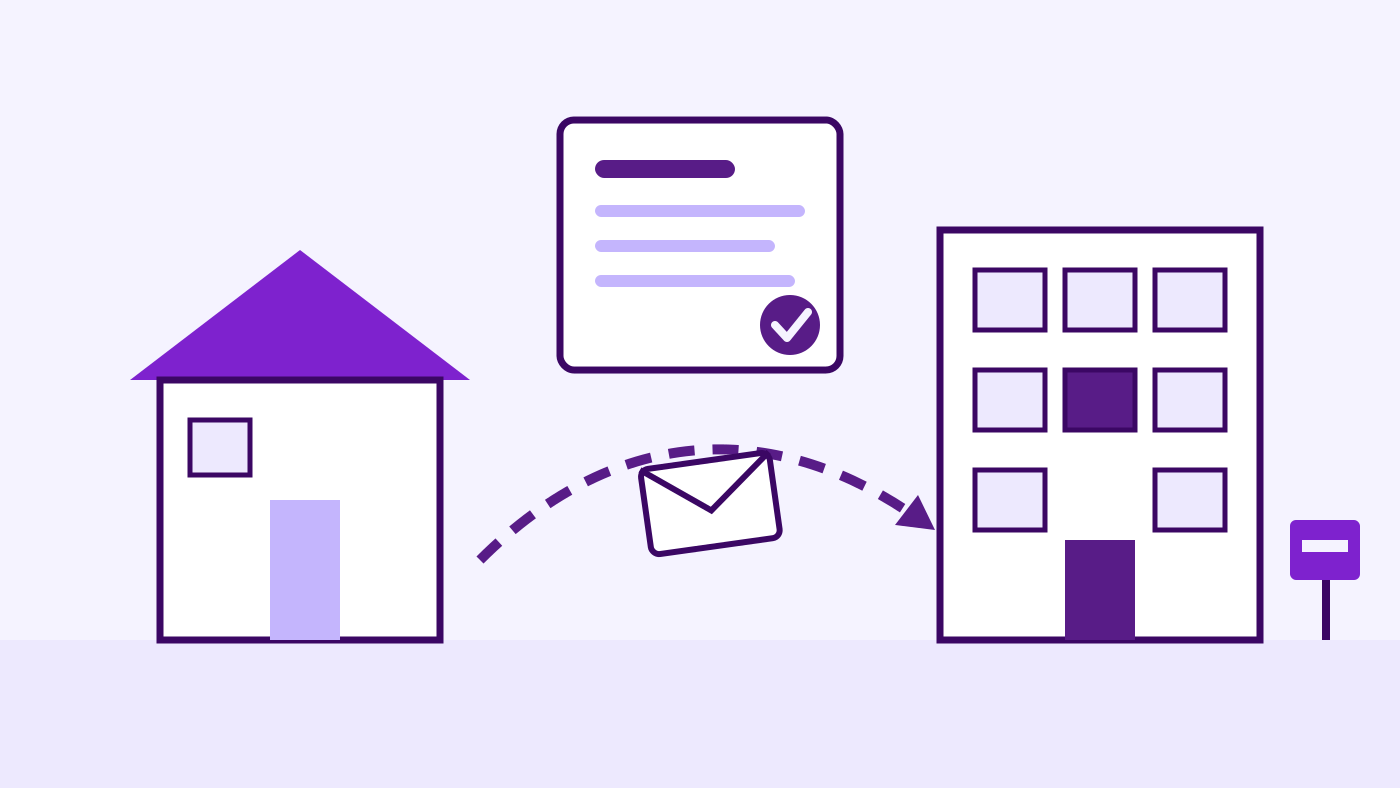
Some landlords and associations set the days and hours when moving is allowed, or ask to be told in advance so the entrance and elevator can be kept clear. Ask what applies in both buildings, the one you are leaving and the one you are moving into. Then plan loading and carrying around the stricter of the two, so no part of the day clashes with either building’s rules.
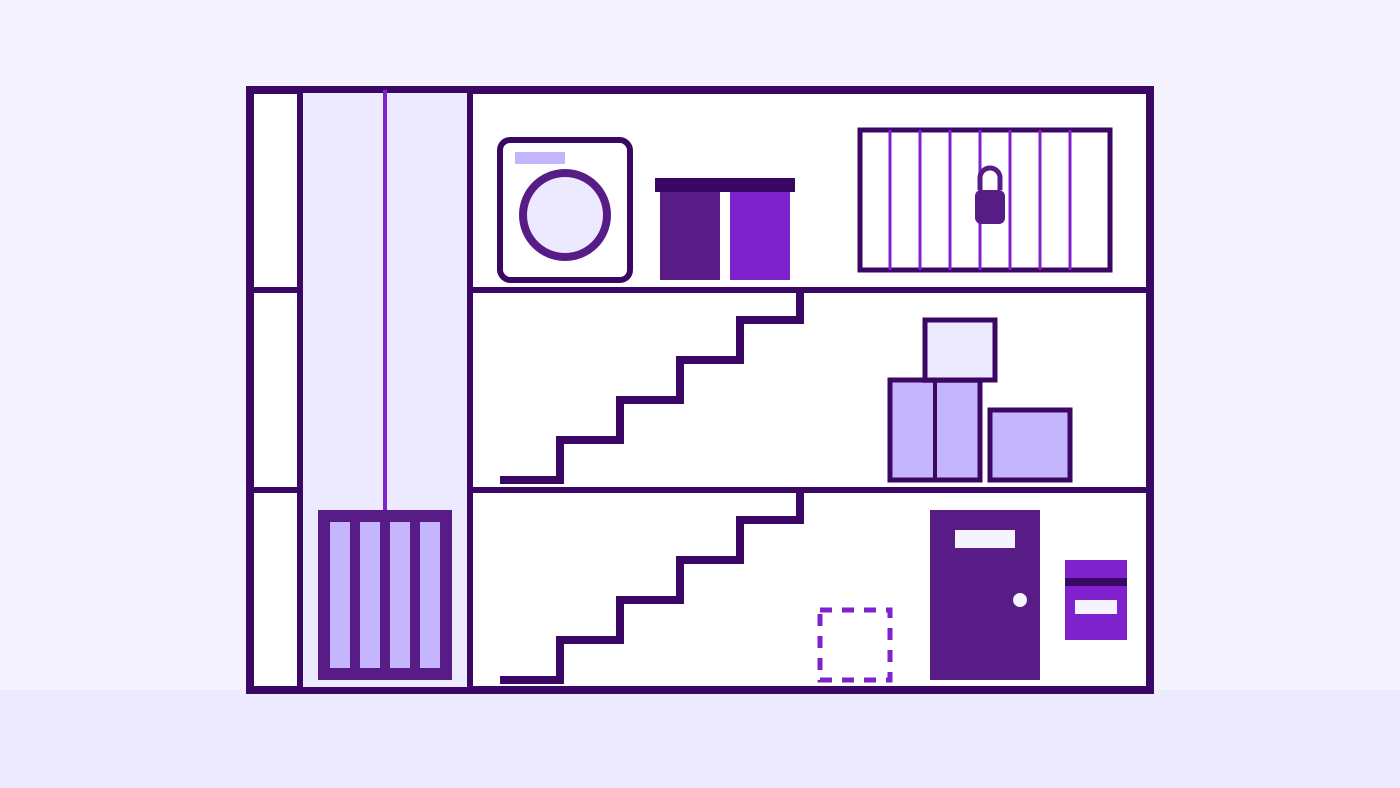
Find out whether the elevator may be used for moving, whether it has to be booked and whether its walls and floor must be protected with mats or boards. Measure the elevator car and the door opening and compare them with your largest furniture. If the sofa or the wardrobe will not fit, it goes by the stairs, which affects both the time needed and the number of people. Respect the maximum load shown inside the car.
The Swedish Civil Defence and Resilience Agency describes the stairwell as the residents’ way out and the fire and rescue service’s way in. Even a small fire can fill a stairwell with thick, toxic smoke within a few minutes, and combustible material such as prams, bundles of newspapers and building materials must therefore not be stored there, however it is placed. Moving boxes are combustible. Carry them straight into the apartment instead of stacking them on the landing, and do not leave furniture or bags of packing material in the stairwell overnight. The agency also points out that property owners may have their own, stricter rules on storage.
If the apartment comes with a storage room in the basement or attic, known as a förråd, find out its number and how to get in before moving day. Check that it is empty and can be locked, and bring your own padlock if the landlord asks for one. Mark the boxes that go straight to storage so they are carried there first and do not have to be moved twice.
Moving day produces a lot of packaging. If the building has a recycling room, the miljörum, ask what may be left there and how it should be sorted. Flattened cardboard may have its own bin, but large amounts, old furniture and bulky waste may need to go to the municipal recycling centre. Do not leave anything next to full bins without asking the landlord or the association first.
The laundry room is shared, and slots are booked the way the building has decided, for example with a booking board, a personal lock or a digital system. Ask how you get access and how booking works so you can do laundry in your first week. Read the cleaning rules that apply after each session.
The Swedish Tax Agency advises everyone to have their name on the front door and on the mailbox so that mail reaches them, and this also applies to lodgers and people renting a sublet. Ask the landlord or association how name plates are ordered. At the same time, find the apartment’s four digit apartment number. According to the agency it must be included in your registration, and it is usually shown on the entrance, the door, the mailbox or in the contract.
When you ask Movon for a price or a quote, it helps to describe both addresses in the same detail: the floor, whether there is an elevator and whether it may be used for moving, the elevator’s dimensions, the distance from the parking spot to the entrance, the hours each building allows moving, and where the storage room is.
Sources for factual information
Locations mentioned in this guide
These locations appear in the planning examples. Always confirm access, parking, and service scope for your actual addresses.